New BECE–SHS Selection Form: Students Now Choose Schools After Results Are Released
Trainova Publications
New BECE–SHS Selection Form: Students Now Choose Schools After Results Are Released
The Ghana Education Service (GES) and the Ministry of Education have rolled out a new BECE–SHS placement form that changes how Basic Education Certificate Examination (BECE) candidates select their senior high schools. Under the restructured system, students will now choose their preferred schools only after their results are published, a major shift from the previous “blind” selection process carried out before the exam.
What the new form looks like
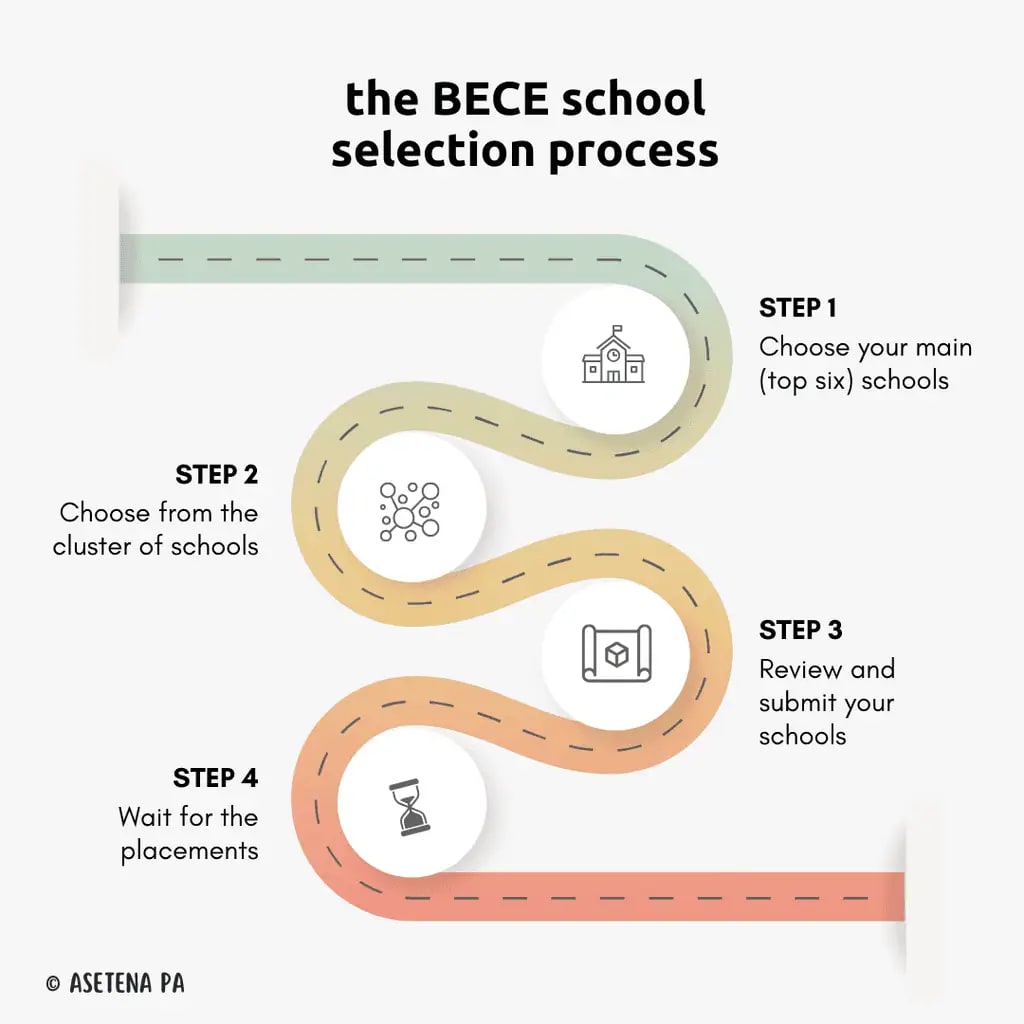
The new selection form appears on the Computerised School Selection and Placement System (CSSPS) platform after BECE results are released. Candidates are given a one‑week window to log in, view their grades, and finalise their school choices.
On the form, students are required to:
Enter their BECE index number (already linked to their results).
Choose a numbered list of preferred schools (for example, 1st choice, 2nd choice, 3rd choice).
Select their preferred programme type where applicable—such as General Science, General Arts, Vocational, Technical, or Agricultural.
The interface is designed to be more user‑friendly, with drop‑down menus for region, school type, and programme, so students and parents can filter options that match their actual aggregates.

Ads
Why the change was made
Education Minister Haruna Iddrisu has explained that the old system created unnecessary pressure, because students picked schools without knowing their likely performance. This often led to mismatches, appeals, and over‑concentration in popular schools.
The new “results‑first, choice‑second” format aims to:
Make placements fairer and more realistic.
Reduce the number of cases that need manual adjustments.
Help parents and students make informed decisions instead of aiming too high or too low blindly.
Parent–teacher associations’ reaction
Parent–Teacher Associations (PTAs) across the country have welcomed the new form, calling it a positive step towards transparency and better outcomes. However, some PTAs are urging the government to:
Ensure the online platform is stable and accessible, especially in rural and low‑internet areas.
Provide clear printed and digital guidelines in English and local languages.
Update real‑time data on available slots per school, so the form does not list “full” schools as options.
What this means for 2026 BECE candidates
For this year’s cohort, the changes mean that:
Students do not need to rush into school choices before the exam.
Families can prepare a shortlist of schools ahead of time, but final decisions will be anchored to the actual results.
The new form is expected to reduce stress around placements and cut down on last‑minute complaints and appeals.
Share this article